
📝 Introduction
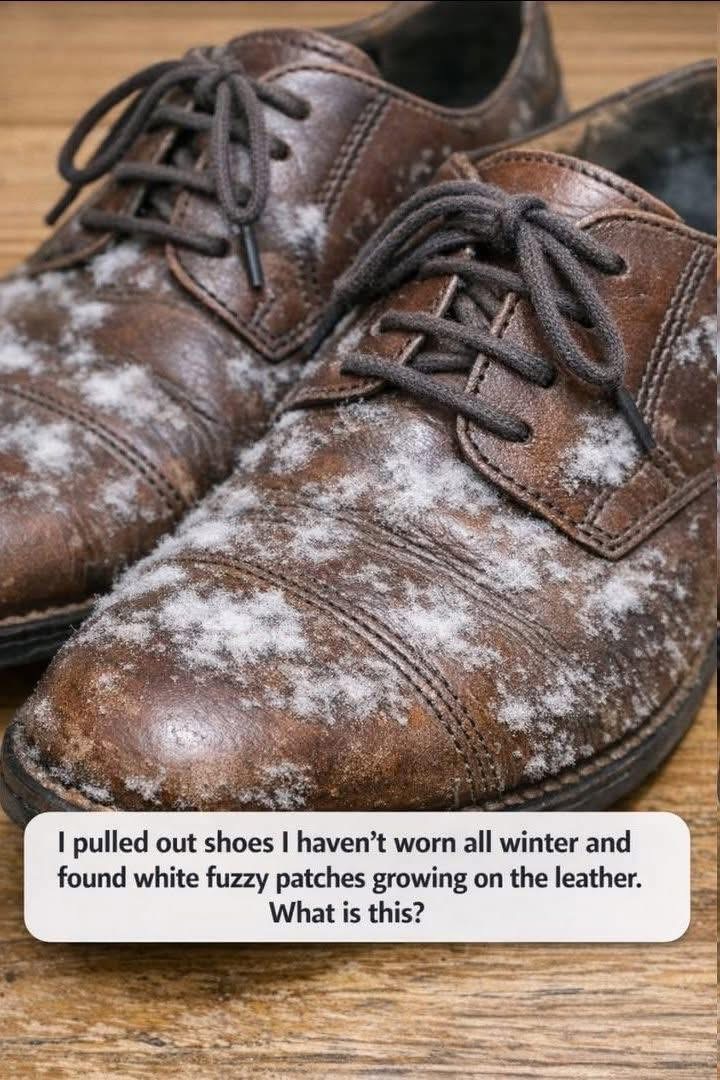
You’ve probably opened a container of food—maybe bread, strawberries, or leftovers—and noticed a strange white fuzzy layer spreading across the surface. At first glance, it might look harmless, even soft like cotton. But that “white fuzzy stuff” is usually mold, a type of fungus that grows on organic material when conditions are right.
Understanding what it is, why it forms, and how to deal with it can help you protect your health and reduce food waste.
🧾 Ingredients (Conditions That Create It)
Unlike cooking recipes, this “formation recipe” involves environmental factors:
- 🧪 Moisture (humidity or water content in food)
- 🌡️ Warm temperature (room temperature is ideal)
- 🍞 Organic material (bread, fruit, cheese, etc.)
- 🌬️ Air exposure (mold spores travel through air)
- ⏳ Time (usually a few days is enough)
🧑🍳 Instructions (How It Forms Step-by-Step)
- Spores land
Tiny mold spores—present everywhere in the air—land on food. - Attachment
They attach to the surface, especially if it’s moist. - Growth begins
The spores start growing microscopic threads called hyphae. - Fuzzy appearance develops
As the colony expands, it becomes visible as white fuzz. - Color change (sometimes)
Over time, it may turn green, blue, or black depending on the mold type.
🔬 Methods (Types of White Fuzzy Growth)
1.
Common Food Mold
- Found on bread, fruits, vegetables
- Soft, cotton-like texture
- Often harmless to look at, but unsafe to eat
2.
Beneficial Mold
- Used in cheeses like Brie or Camembert
- Safe and intentional
- Controlled growth
3.
Early-Stage Mold
- Starts white before turning darker
- Most people mistake this stage as harmless
📜 History of Mold Awareness
Humans have known about mold for centuries. Ancient civilizations noticed food spoilage but didn’t understand why.
In the 20th century, scientists discovered that some molds could be useful—like Penicillin, one of the first antibiotics, derived from mold. However, not all molds are beneficial, and many can produce harmful toxins.
💪 Benefits (Yes, There Are Some)
While unwanted mold on food is dangerous, mold itself has benefits:
- 💊 Used in medicine (antibiotics)
- 🧀 Essential in cheese production
- 🌱 Helps decompose organic matter in nature
- 🔬 Important in scientific research
⚠️ Risks and Dangers
- ❌ Can produce mycotoxins (toxic substances)
- 🤧 May trigger allergies or breathing problems
- 🤢 Can cause stomach issues if consumed
- 🚫 Invisible roots may spread deeper than visible fuzz
👉 Important: Even if you cut off the fuzzy part, the mold may have already spread inside.
🧪 Formation Explained Simply
Think of mold like a plant:
- The fuzzy part = visible growth
- The roots (hyphae) = hidden inside food
- The spores = seeds spreading through air
It grows quietly until it becomes visible—and by then, it’s already well established.
❤️ Lovers (Who “Loves” This Environment)
Mold thrives in:
- Warm kitchens 🍳
- Damp refrigerators 🧊
- Forgotten leftovers 🍲
- Open food containers
Basically, mold “loves” neglect, moisture, and time.
🔁 Methods to Prevent It
- Keep food refrigerated
- Store in airtight containers
- Avoid leaving food out too long
- Clean your fridge regularly
- Dry fruits and vegetables before storing
🧾 Conclusion
That white fuzzy stuff is usually mold—a natural but often unwanted fungus that grows when food is left in the right conditions. While it plays an important role in nature and even medicine, it’s best to avoid eating moldy food unless it’s specifically meant to contain safe mold (like certain cheeses).
❤️ Final Note for “Lovers” of Clean Food
If you love fresh, safe, and tasty food, always check before eating. When in doubt—throw it out. It’s better to waste a little food than risk your health.